The 12-Month Pre-Wedding Fitness Timeline for Brides & Grooms
A month-by-month workout and nutrition plan that's actually realistic — no crash diets, no extreme bootcamps, just a solid plan to feel your best on the big day.
Published 4 April 2026

You've said yes. The ring is on your finger. The venue is booked. And somewhere in the back of your mind, a little voice is whispering: "I should probably start working out."
That voice isn't wrong — but it's also not about looking like a fitness model on your wedding day. The best reason to start a pre-wedding fitness plan is how you'll feel: more energetic, less stressed, sleeping better, and walking down the aisle with genuine confidence rather than hiding behind shapewear and anxiety.
This is a 12-month timeline because sustainable change takes time. Crash diets don't work. Six-week shreds leave you exhausted and miserable. But a full year of consistent, enjoyable movement? That changes everything. And it applies to brides AND grooms — this isn't gendered advice.
Months 12-10: Build the Foundation (The "Just Start Moving" Phase)
Goal: Create a consistent exercise habit. That's it. Don't worry about intensity or results yet.
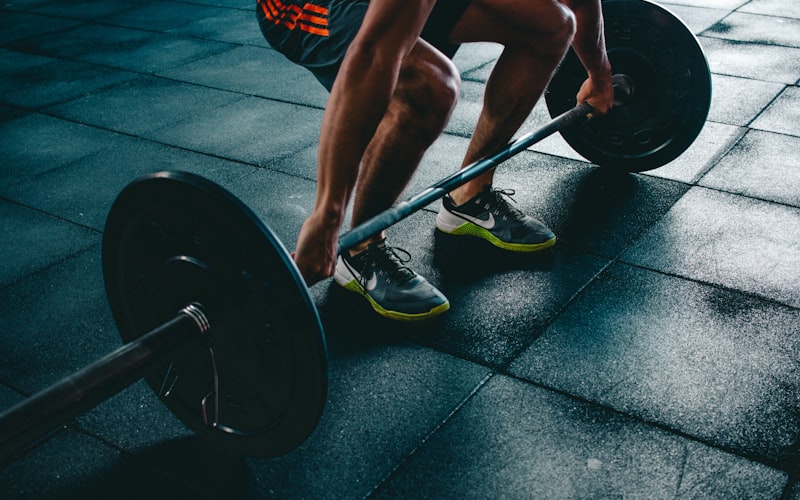
Workout Plan:
- 3 sessions per week, 30-45 minutes each
- Focus on what you actually enjoy: walking, swimming, yoga, Pilates, light weights, group fitness classes
- If you're starting from zero, just walk 30 minutes a day, five days a week. Seriously. Walking is underrated and incredibly effective.
- Try 2-3 different types of exercise to find what sticks
Nutrition:
- No dramatic changes yet. Just start paying attention.
- Add one extra serving of vegetables to lunch and dinner
- Drink 2-3 litres of water daily (invest in a good water bottle — Frank Green $40, Hydro Flask $60)
- Cut back on (not eliminate) alcohol if you're drinking more than 4-5 times a week
Mindset: This phase is about identity, not results. You're becoming 'someone who exercises regularly.' Don't weigh yourself obsessively. Don't compare your day one to someone else's year three. Just show up consistently.
Months 9-7: Build Strength and Improve Nutrition
Goal: Increase workout intensity and clean up your diet meaningfully.

Workout Plan:
- 4 sessions per week: 2x strength training + 2x cardio/flexibility
- Strength training: If you're new to weights, invest in 4-6 sessions with a personal trainer to learn proper form. In Australia, expect to pay $60-$120 per session. Group PT ($25-$50/session) is a more affordable option. Try F45 (from $55/week), Barry's ($35/class), or KX Pilates ($40/class) for structured group training.
- Cardio: Mix it up — running, cycling, swimming, rowing. Aim for 30-40 minutes at moderate intensity.
- Flexibility: Add yoga or dedicated stretching 1-2 times per week. Yoga 213, Body Mind Life, or apps like Alo Moves ($20/month) are great options.
Nutrition:
- Start meal prepping 2-3 days of lunches per week to avoid takeaway defaults
- Prioritise protein at every meal: aim for 1.6-2.0g per kg of body weight daily if you're strength training
- Reduce processed food and added sugars — focus on whole foods, not calorie counting
- Consider working with a dietitian for a personalised plan. Australian dietitians typically charge $120-$200 for an initial consultation and $80-$120 for follow-ups. Some are covered under Medicare with a GP referral and Mental Health Care Plan or Chronic Disease Management Plan.
What You'll Notice: By month 7, you should be sleeping better, feeling noticeably stronger, and probably fitting your clothes differently. This is where most people start seeing visible changes.
Not sure which vendors are right for you?
Start Planning — It's Free →Months 6-4: Peak Training Phase
Goal: Maximum effort and consistency. This is when the real transformation happens.

Workout Plan:
- 4-5 sessions per week: 3x strength + 2x cardio
- Strength focus areas:
- For strapless/off-shoulder dresses: Arms, shoulders, and upper back. Rows, lateral raises, bicep curls, tricep dips.
- For fitted dresses: Core, glutes, and posture. Deadlifts, squats, planks, Pilates reformer.
- For suits: Shoulders, chest, and arms. Bench press, overhead press, pull-ups, dumbbell work.
- For everyone: Posture, posture, posture. You're going to be standing and sitting all day, being photographed from every angle. Good posture is the single most impactful thing for how you look in photos.
- Cardio: HIIT sessions 1-2 times per week + steady-state cardio 1-2 times. Don't overdo HIIT — it's demanding on your body and too much leads to burnout.
Nutrition:
- If fat loss is a goal, now is the time for a moderate caloric deficit (300-500 calories below maintenance). Use an app like MyFitnessPal (free) or MacroFactor ($72/year) to track.
- Focus on nutrient timing: protein within 30 minutes of training, complex carbs before workouts
- Meal delivery services can be lifesavers during this phase when wedding planning is consuming your evenings. Try Youfoodz ($9-$12/meal), My Muscle Chef ($10-$13/meal), or Soulara for plant-based ($11-$14/meal).
Important: This is also when wedding stress tends to peak — you're deep in vendor decisions, RSVPs, and logistics. Exercise is your stress relief valve. Don't sacrifice workouts for wedding planning. Block them in your calendar like any other appointment.
Months 3-2: Refine and Maintain
Goal: Maintain your results while reducing injury risk. No major changes.

Workout Plan:
- 3-4 sessions per week (slightly reduced from peak phase)
- Maintain strength training but reduce volume slightly — you don't want to be sore or injured close to the wedding
- Add more yoga and stretching for stress management
- No new exercises or dramatic intensity increases — stick with what's working
- If you haven't already, get a massage. Regular sports massage ($80-$130/session) helps with recovery and muscle tension
Nutrition:
- If you were in a caloric deficit, start gradually returning to maintenance calories
- Focus on anti-inflammatory foods: berries, leafy greens, salmon, turmeric, nuts
- Skin-friendly nutrition becomes important now — link this with your pre-wedding skincare timeline for maximum impact
- Reduce sodium to minimise bloating (this matters more than you think for how you look in photos)
Month 1: The Final Countdown
Goal: Feel amazing. Don't change anything dramatically. Protect your results.
Workout Plan:
- 3 sessions per week, moderate intensity only
- Focus on activities that make you feel good: yoga, walking, light strength work
- Do NOT start a new program. Do not try to 'squeeze in' extra sessions. Do not do anything that risks injury or excessive soreness.
- In the final week, light movement only — walks, gentle stretching, maybe a yoga class
Nutrition:
- Eat normally. This is not the time for extreme measures.
- Stay hydrated — 2-3 litres of water daily, minimum
- Reduce alcohol in the last two weeks (your skin will thank you)
- The last 48 hours before the wedding: eat your normal meals, don't skip anything, and definitely don't try to 'slim down' by not eating. You need energy for the biggest day of your life.
The Night Before: Eat a proper dinner. Drink water. Get to bed at a reasonable hour. Your body is ready. Trust the work you've put in over the past twelve months.
What About Couples Training Together?
Working out with your partner is one of the best things you can do during engagement. Here's why:

- Accountability: It's harder to skip the gym when someone else is counting on you
- Quality time: When wedding planning eats your weekends, a morning workout together is guaranteed couple time
- Shared achievement: Hitting fitness goals together builds connection and confidence heading into your wedding
- Cost savings: Couples PT sessions typically cost 1.5x a single session, not 2x — so you're effectively getting a discount
Many F45 studios, CrossFit boxes, and independent PTs offer couples sessions. Expect to pay $100-$180 for a couples PT session, or $70-$100/week each for couples memberships at group fitness studios.
Mental Health: The Part Nobody Talks About
Every pre-wedding fitness article focuses on the physical. But here's the truth: the biggest barrier to sticking with a fitness plan isn't motivation or knowledge — it's stress, anxiety, and the emotional weight of wedding planning.
Wedding planning is genuinely stressful. Family politics, budget pressure, vendor decisions, body-image anxiety, social expectations — it adds up. And stress sabotages fitness goals in real, measurable ways: cortisol (the stress hormone) increases fat storage, disrupts sleep, triggers comfort eating, and kills gym motivation.
So here's the part of the fitness timeline most articles skip:
Month 12-10: Establish one stress-management habit. Meditation (try Headspace or Calm, both $80-$100/year), journalling (a $10 notebook works), or simply 20 minutes of phone-free walking each day. Build this habit alongside your exercise habit — they reinforce each other.
Month 9-7: If you're feeling overwhelmed, talk to someone. A therapist, a counsellor, your GP. In Australia, you can access 10 Medicare-subsidised psychology sessions per year with a GP mental health care plan. Out-of-pocket cost after rebate: typically $50-$120 per session. This isn't a luxury — it's maintenance.
Month 6-4: This is the stress peak for most couples. Protect your exercise routine fiercely — it's your stress valve. If you can only do one thing this month, make it 30 minutes of movement. Don't add extra fitness pressure on top of wedding pressure.
Month 3-1: Give yourself grace. If you miss a workout, it doesn't matter. If you eat emotionally for a week, it doesn't matter. One week doesn't undo twelve months of work. Your body is ready. Focus on feeling calm, rested, and present — not on squeezing in one last gym session.
The goal of a pre-wedding fitness plan isn't to look like someone else on your wedding day. It's to feel like the strongest, healthiest, most energised version of yourself. That's worth twelve months of work. That's worth showing up for.
Remember: this timeline is a guide, not a prescription. If you have six months instead of twelve, start at month 6. If you have three months, start at month 3. Any amount of consistent movement will make a difference. The goal isn't perfection — it's feeling strong, healthy, and confident when you walk down that aisle.
And if the only exercise you manage is walking around to wedding tastings and dress fittings? That counts too.
Ready to build your dream wedding team?
Start Planning — It's Free →